Financing the India–Australia corridor
The trade agreement between India and Australia removed tariffs on most goods moving in both directions. The companies best placed to use it are the ones that finance ahead of the order book.
Trade agreements are signed by governments, but they are used — or ignored — by companies. The India–Australia Economic Cooperation and Trade Agreement is an example of a treaty whose value depends almost entirely on whether mid-sized businesses can finance the capacity to take advantage of it.
What ECTA opened
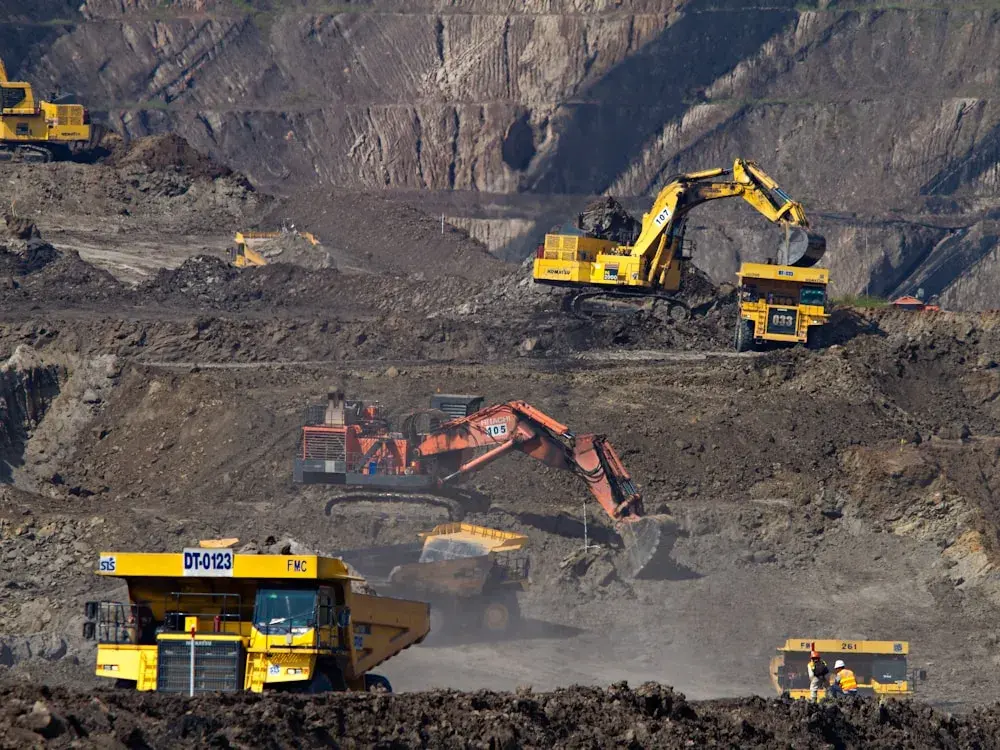
ECTA entered into force on 29 December 2022. On that date Australia eliminated tariffs on the large majority of Indian exports by value, and India granted Australia preferential access across more than seventy per cent of its tariff lines. Australian raw materials and intermediates central to Indian manufacturing — coal, metallic ores, alumina and certain critical minerals among them — entered India duty-free from the first day.
For Indian manufacturers, that means cheaper inputs. For Indian exporters of textiles, engineering goods, gems and jewellery, and processed foods, it means a level footing in a high-income market that had previously favoured competitors with their own agreements.
Where the financing gap appears
A new export market is a working capital problem before it is a revenue opportunity. Shipping times, the Australian buyer's payment terms and the need to hold stock close to the customer all lengthen the cash cycle. Companies that win their first large Australian order often discover that their domestic working capital limits were never sized for it.
The tools are well established: pre-shipment packing credit, post-shipment finance against export bills, letters of credit and, for larger or longer relationships, foreign-currency facilities from an IFSC Banking Unit or through an ECB. The skill is in having them in place before the order arrives, on terms that match the new cycle.
Capital for the capacity itself
Beyond working capital, some businesses need term finance to build capacity — a dedicated line, certification for Australian standards, a warehouse in the destination market. Here a lender's familiarity with both jurisdictions shortens the conversation considerably.
Our own directors have spent decades working across India and Australia. That is why we treat the corridor not as a slogan, but as a set of very specific financing questions that are best answered early.
This article is general information about the financing landscape, current as of its publication date. It is not financial, legal or tax advice; regulations change, and every company’s position is different.